Why Your Dark Bathroom Can Still Be Green (and Why Budget Matters)
If your bathroom has a tiny window or none at all, you probably think houseplants are out of reach. But low light bathroom plants are real, and they can transform that damp, shadowy space into a cozy jungle. I have a windowless guest bathroom myself, and for years I assumed only fake plants would survive there. Then I started testing real ones, and honestly, I was surprised. The trick is choosing species that evolved to live under thick forest canopies, not on a sunny windowsill. And because bathrooms can be humid, you actually get an advantage for certain tropical plants. The best part? You don’t need to spend a fortune. Most of the plants I recommend cost under $15 at a local nursery, or you can snag cuttings from a friend. This guide focuses on affordable, realistic options that thrive in low light and won’t break your bank.
Best Ferns for a Humid, Shady Bathroom (and They Cost Almost Nothing)
Ferns are classic bathroom plants for good reason. They love the moisture from showers and baths, and they do just fine with indirect or fluorescent light. The two that have worked best for me are the Boston fern and the maidenhair fern. Boston ferns are incredibly forgiving; you can find small ones at big box stores for under $10. They get bushy and lush if you keep the soil damp but not soggy. Maidenhair ferns are a bit more delicate, but their tiny, soft fronds look amazing on a countertop. If you have a hanging spot, a rabbit’s foot fern is another solid choice, with fuzzy rhizomes that spill over the pot. For a budget hack, ask a gardening neighbor for a division of their fern. I got my first Boston fern from a friend who split hers, and it cost me exactly zero dollars.
Ferns do need consistent humidity, which your bathroom naturally provides. Just avoid placing them right next to a drafty vent or directly in a shower spray. A corner shelf or a glass shelf near the sink works perfectly. To keep them happy, mist them occasionally if your bathroom gets dry between showers, but often the steam is enough.
Trailing Vines That Thrive in Dim Corners (Easy to Propagate on a Budget)
If you want something that grows quickly and fills up empty wall space, trailing vines are your best friends. Pothos, especially the golden pothos and the marble queen, are legendary for tolerating low light. I have a pothos that has lived in my windowless bathroom for three years, and it just keeps sending out long vines. You can buy a starter plant for under $5, or simply root a cutting in a glass of water. Philodendrons, like the heartleaf variety, behave similarly and cost about the same. They both climb if you give them a moss pole, or they trail elegantly from a high shelf.
Another great option is the spider plant, which sends out baby “spiderettes” that you can pot up and share with friends. I have never paid for a spider plant; every single one came from a friend’s mother plant. They do well in medium to low light, though they may lose their white striping in very dim spots. That is fine, green leaves still look fresh. For a hanging basket, try a string of pearls, but note that it needs a little more light than pothos, so place it near any existing window. If your bathroom has zero natural light, stick with pothos or philodendron, they are the most reliable.
Tall and Statement Plants That Tolerate Dark Corners (Under $20)
Sometimes you need a plant with height to fill an empty corner beside the toilet or near the tub. The snake plant, also called mother in law’s tongue, is practically indestructible. It can survive weeks of neglect, low light, and high humidity. You can find a medium sized snake plant at a garden center for around $15. It grows upright and adds a modern, sculptural feel. Another tall option is the ZZ plant, which has thick, waxy leaves that store water. It is one of the few plants that can handle a bathroom with no windows at all, as long as you keep it away from direct drafts. Prices have dropped in recent years; I bought a 2 foot tall ZZ for $12 at a hardware store. The cast iron plant (Aspidistra) is also a classic low light champion, though it can be a bit more expensive. Look for it at plant swaps or online secondhand groups, where people often give away divisions.
For a taller but narrower plant, consider a dwarf umbrella tree (Schefflera). It prefers bright indirect light but adapts to medium light if you let it dry out between waterings. Keep an eye on it; if leaves start dropping, move it slightly closer to the light source. All of these options cost under $20 and will reward you with years of green without demanding a sunny window.
Small and Compact Plants for Tiny Bathroom Shelves (Super Cheap Picks)
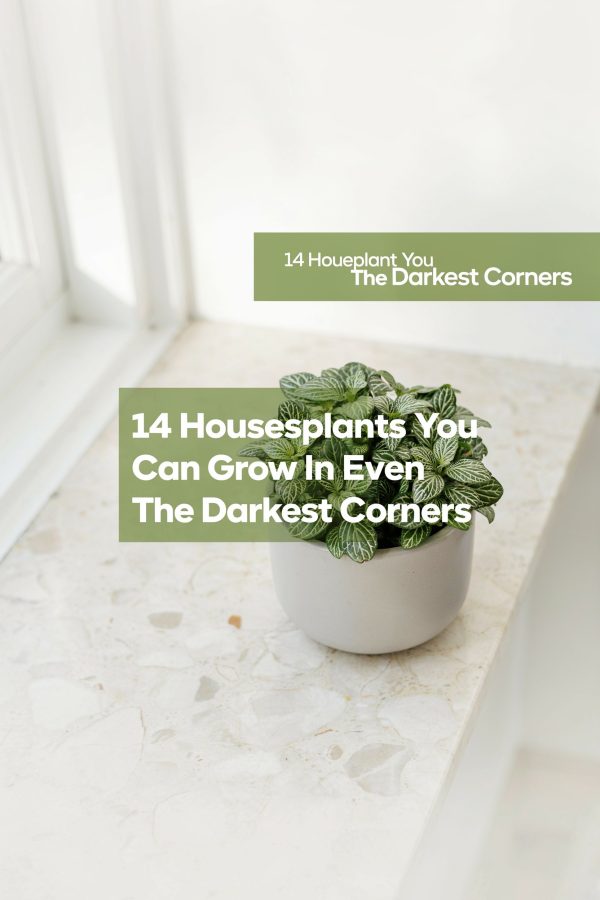
If your bathroom is truly small and every square inch counts, go for mini plants that sit on the back of the toilet or a corner shelf. The Chinese money plant (Pilea peperomioides) has round, cheerful leaves and stays small if kept in a small pot. I have seen tiny ones for $4 at farmer’s markets. They do need a little more light than pothos, so place them near a window or under a grow light bulb (you can get a cheap one for $8). Another compact option is the peperomia, like the watermelon peperomia or the ripple peperomia. They grow slowly, stay compact, and their textured leaves look great in a plain terracotta pot. They are not expensive, around $6 to $8 for a 4 inch pot. Also consider the nerve plant (Fittonia), which has striking vein patterns and loves humidity. It will let you know when it is thirsty by wilting dramatically, then perking up after a drink. That is a fun little plant that costs about the same as a coffee drink.
- Chinese money plant (Pilea): needs a bit of light, but stays small and is easy to propagate for more plants.
- Peperomia varieties: slow growing, low maintenance, perfect for shelves.
- Nerve plant (Fittonia): dramatic, loves humidity, and cheap to buy or propagate.
- Lucky bamboo (Dracaena sanderiana): grows in just water and pebbles, no soil needed. Costs under $5 at many stores.
How to Style These Plants on a Shoestring Budget (Real Life Tips)
You do not need expensive pottery to make a bathroom look lush. I use dollar store glass jars, old teacups, and thrifted metal tins as cachepots. For a cohesive look, spray paint a few mismatched containers the same color (white or matte black works with any bathroom). Group two or three plants together on a small tray or a wooden cutting board to create a mini jungle. If you are short on horizontal space, install a tension rod shower curtain inside the shower and hang small plants from shower hooks. Just make sure the plants are out of the direct spray. Another cheap trick: use clear glass vases or mason jars as terrariums for ferns or moss. They look modern and cost nothing if you already have jars. For tall plants, place them on a small stool or upside down flower pot to elevate them and make the ceiling feel higher.
Lighting is usually the biggest challenge. Instead of buying a full grow light setup, swap one of your bathroom vanity bulbs for a daylight LED bulb (color temperature 5000K). It costs about $3 and gives plants the spectrum they need while still looking like normal bathroom lighting. That one swap can make a huge difference for a low light bathroom.
A Simple Care Routine for Bathroom Plants (No Fuss, No Extra Expense)
Most low light plants need less water than you think. In a humid bathroom, the soil stays moist longer, so check with your finger before watering. Only water when the top inch feels dry. Overwatering is the number one killer of bathroom plants, not low light. Use a cheap moisture meter if you are unsure, they cost $6 and last years. I also recommend wiping dust off leaves every couple weeks with a damp cloth; dust blocks what little light there is. Fertilize only during spring and summer with a balanced liquid fertilizer diluted to half strength. You do not need fancy plant food, any general houseplant fertilizer from a grocery store works. That is it. Keep it simple, and your bathroom will stay green without requiring much time or money.
If you notice yellow leaves or leggy growth, it usually means the plant wants less water or slightly more light. Just move it a few inches closer to the light source or let the soil dry out a bit longer. These adjustments are free and easy.
Bring Green Into Your Small Bathroom Without Spending a Lot
Low light bathroom plants are not a myth. With the right choices and a few budget friendly tricks, you can turn a dim, cramped bathroom into a living space that feels fresh and calm. Start with one plant, maybe a pothos cutting from a friend, and see how it grows. You will be surprised how much life a little green adds. And the best part is that none of these plants require a sunny window or a big budget. So grab a cheap pot, pick one from the list above, and enjoy your new bathroom jungle.
Which plant are you most excited to try? I would love to hear your picks in the comments below or on social media. Happy growing!
#LowLightPlants #BathroomDecor #Houseplants #Small
Leave a Comment